
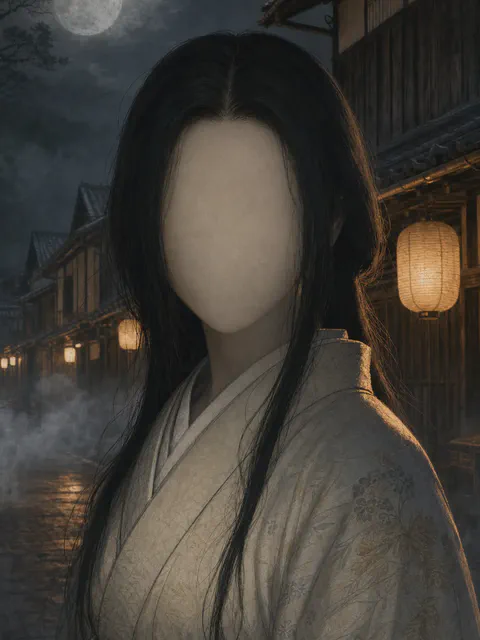
- 1904
Akasaka (Kii-no-kuni-zaka)
Legend or tale
Hearn's Mujina: the faceless woman by the moat
東京都
Yokai of Tokyo
12 yokai with records here · Kantō · View on the map
Records in Tokyo
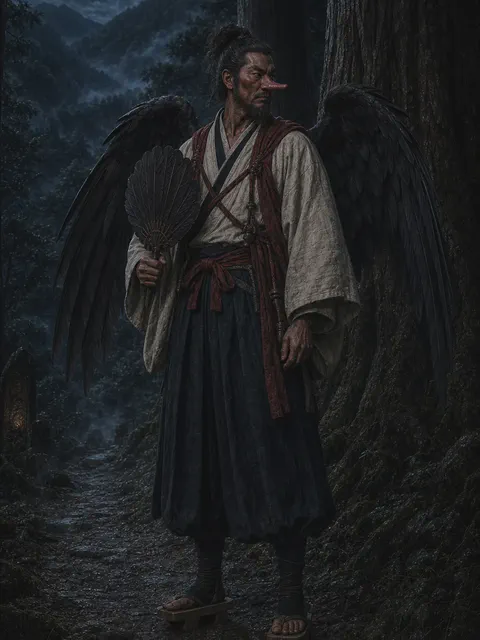
Tengu
天狗(てんぐ)
A mountain being associated with flight, impossible voices, disappearances, and more than one familiar face.
- 1983
Hinohara
Folklore record
Child of seven taken by a tengu, found by neatly placed sandals
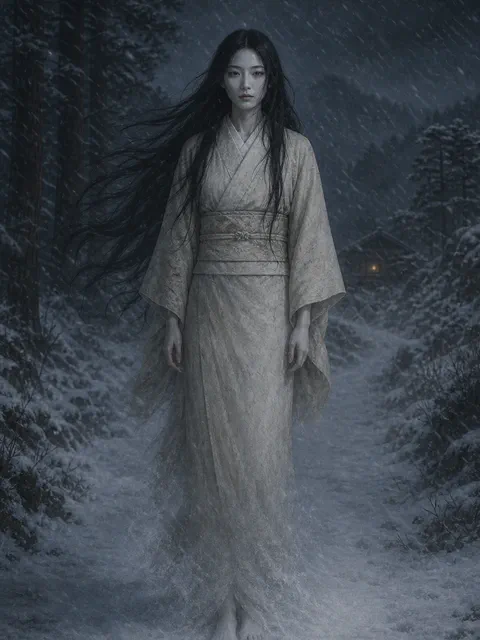
Yuki-onna
雪女(ゆきおんな)
A pale woman seen on winter roads, sometimes deadly, sometimes harmless, and never described the same way everywhere.
- 1904
Musashi (Hearn's Minokichi)
Legend or tale
The woodcutter's wife who left when he told the story
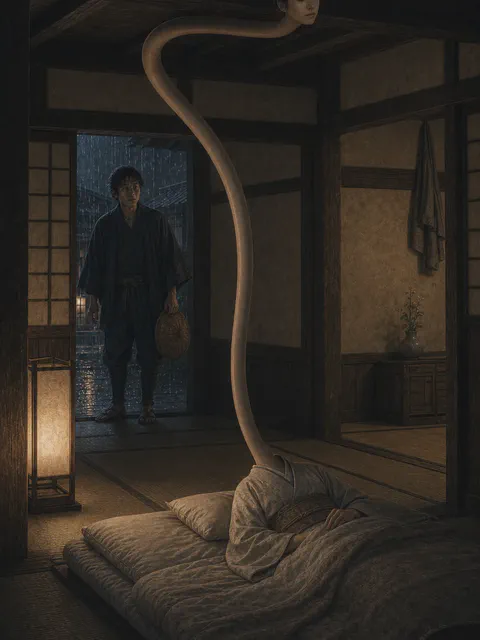
Rokurokubi
轆轤首(ろくろくび)
A seemingly human figure whose neck stretches at night—and one name that once covered more than one uncanny form.
- 1779
Edo
Print or picture
Sekien's rokurokubi and the Edo kaidan books
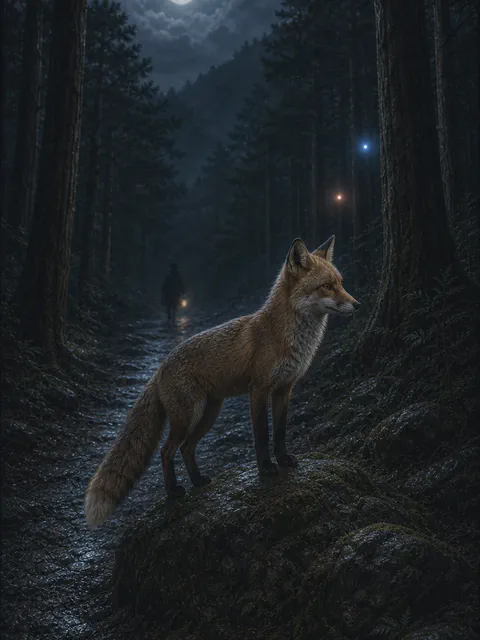
Kitsune
狐(きつね)
A 1930 account from Toyooka describes blurred blue or red foxfire moving restlessly from beyond the mountain to somewhere close by.
- 1857
Ōji
Print or picture
Hiroshige: foxes gather with fires on New Year's Eve before Ōji Inari
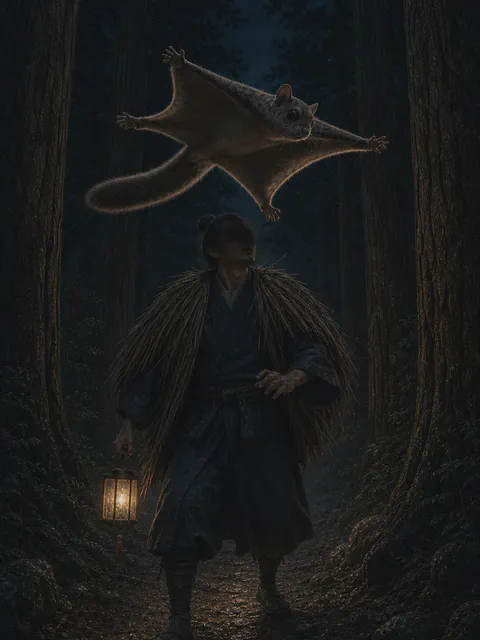
Nobusuma
野衾(のぶすま)
A 1938 Tokyo record describes something like a flying squirrel that drifts down onto a traveler and covers the eyes and mouth — and stops there.
- 1938
Tokyo
Folklore record
Flying-squirrel thing that covers a night walker's eyes and mouth
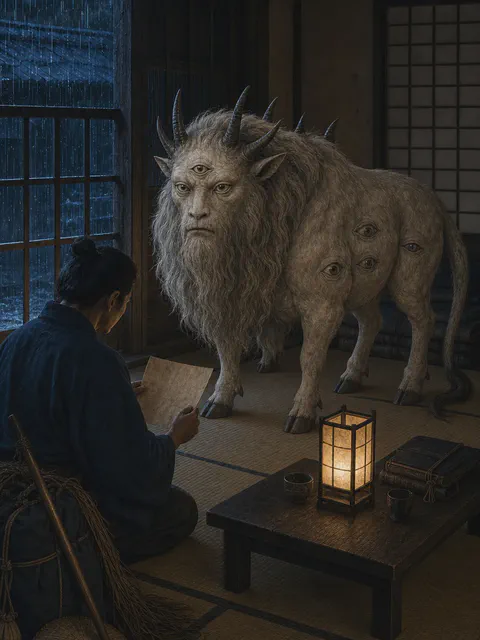
Hakutaku
白澤(はくたく)
A beast from Chinese legend that named every harmful thing in the world for the Yellow Emperor, and whose image — nine eyes, six horns, a human face — was carried by Edo travelers and set beside pillows during the cholera epidemic of 1858.
- 1858
Edo
Print or picture
Hakutaku charm prints during the cholera epidemic
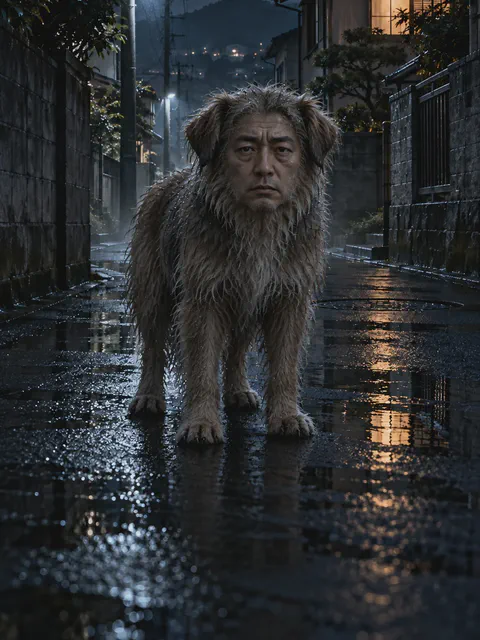
Jinmenken
人面犬(じんめんけん)
Jinmenken, the dog with a human face, swept through Japanese children's rumour around 1989–90. A first-grader in Yamagata had his own version: the dog had left Tokyo because people would not stop talking about it.
- 1989
Tokyo
Modern rumour
Centre of the 1989–90 human-faced dog rumour
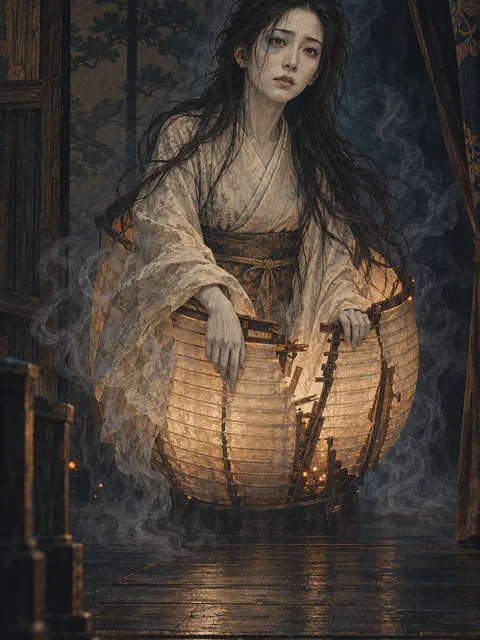
Oiwa
お岩(おいわ)
Oiwa is the wronged wife of Tsuruya Nanboku's 1825 kabuki play Tōkaidō Yotsuya Kaidan — poisoned under the name of medicine, betrayed, and returning to pursue her husband. On stage, she emerges from a burning lantern.
- 1825
Yotsuya (Oiwa Inari)
Legend or tale
Tōkaidō Yotsuya Kaidan; the Tamiya family's shrine
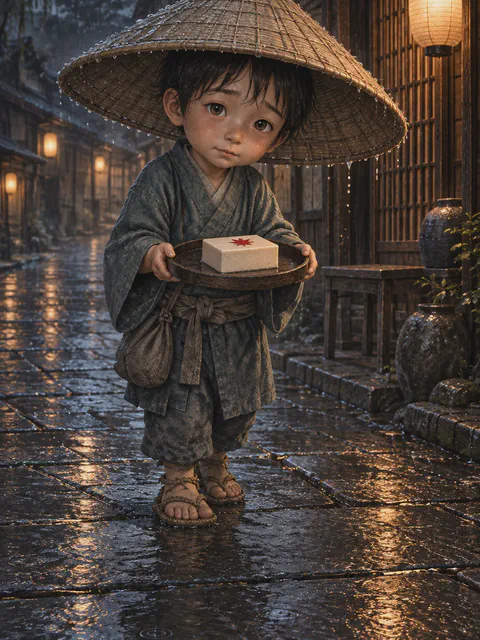
Tofu-kozō
豆腐小僧(とうふこぞう)
Tofu-kozō, a big-headed child under a large hat carrying a tray of tofu, appears in Edo comic picture books from 1779. He follows people and does no harm, and in one story he drops his tofu running away from a human.
- 1779
Edo
Print or picture
Tofu boy of the kibyōshi comic books
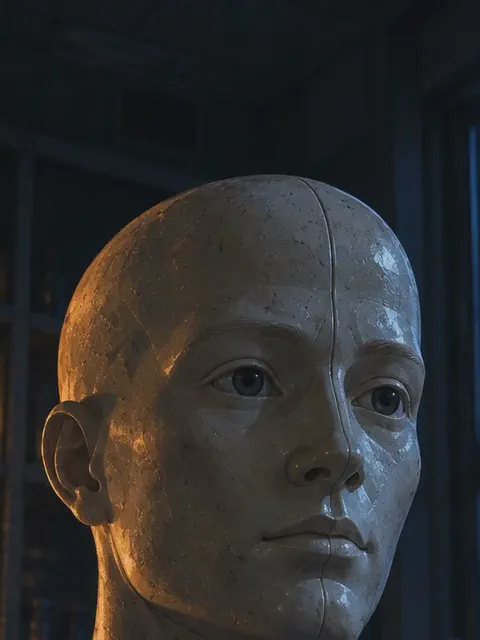
Ugoku Jintai Mokei
動く人体模型(うごくじんたいもけい)
The school science-room anatomy model that moves at night, a Japanese school ghost story recorded from pupils since the 1980s and told again by first-graders in a 2024 Fukui school report.
- 1986
Tokyo (a private school)
Modern rumour
A science room locked at dusk and found open in the morning, told by junior-high pupils
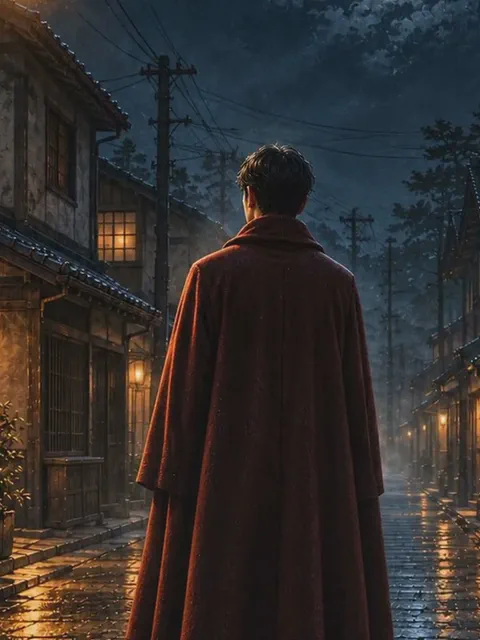
Aka Manto
赤マント(あかマント)
The red-cloaked man of a Tokyo rumour in February 1939, denied on the radio by the police and spread by schoolchildren across the capital, and the school-toilet Aka Manto of the 1980s who asks whether you want the red cloak or the blue.
- 1939
Kita-Senju and the city of Tokyo
Modern rumour
A hunchbacked man in a red cloak who sucked the blood of women and children; denied on the radio by the police on 22 February
Records Library: Tokyo
Places to visit in Tokyo
- Oiwa Inari: Tamiya Shrine and Yōunji 於岩稲荷田宮神社・陽運寺 Shrine or temple
- Ōji Fox Parade 王子 狐の行列 Festival
- Takaosan Yakuōin 高尾山薬王院 Shrine or temple
- Kitarō Chaya 鬼太郎茶屋 Shop