Records in Kyoto

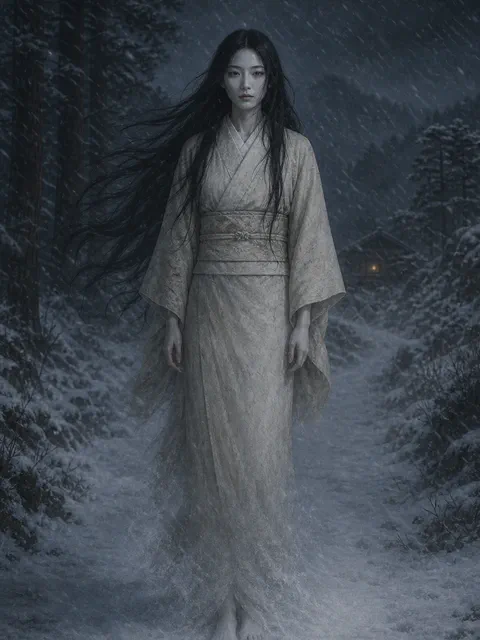
Yuki-onna

雪女(ゆきおんな)

A pale woman seen on winter roads, sometimes deadly, sometimes harmless, and never described the same way everywhere.

  • Snow · Mountain · Road
  • Mixed

Danger 4/5 Editorial rating Danger rating 4 out of 5. This is an editorial rating, not a folklore measurement.

  • 1987 Nantan Folklore record

    Visitor at the eaves who vanished and left footprints

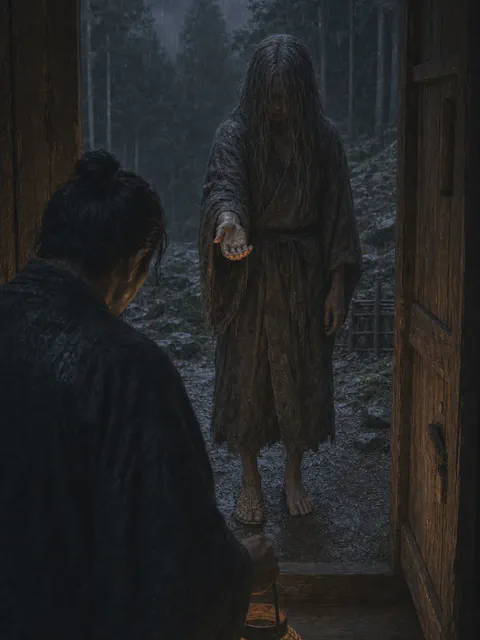
Yamauba

山姥(やまうば)

A man carries a woven object home from the hills, and that night a woman's voice demands the return of her ashinaka.

  • Mountain · Forest · House
  • Mixed

Danger 3/5 Editorial rating Danger rating 3 out of 5. This is an editorial rating, not a folklore measurement.

  • 1982 Miyama, Nantan Folklore record

    Pine-scented rice cakes floated down the stream at New Year

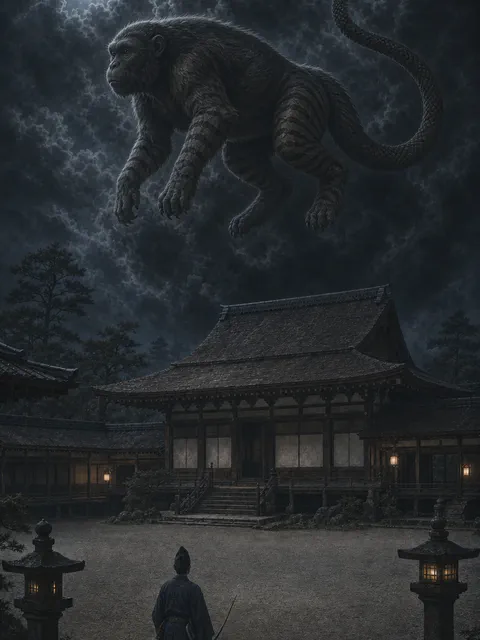
Nue

鵺(ぬえ)

In The Tale of the Heike, a black cloud and a bird's cry sicken the emperor until an archer shoots the creature down — and the versions disagree on what fell.

  • Sky · Temple or shrine
  • Harmful

Danger 4/5 Editorial rating Danger rating 4 out of 5. This is an editorial rating, not a folklore measurement.

  • 1153 Nue Pond, Kyoto Legend or tale

    Black cloud over the palace; Yorimasa's arrow (Tale of the Heike)

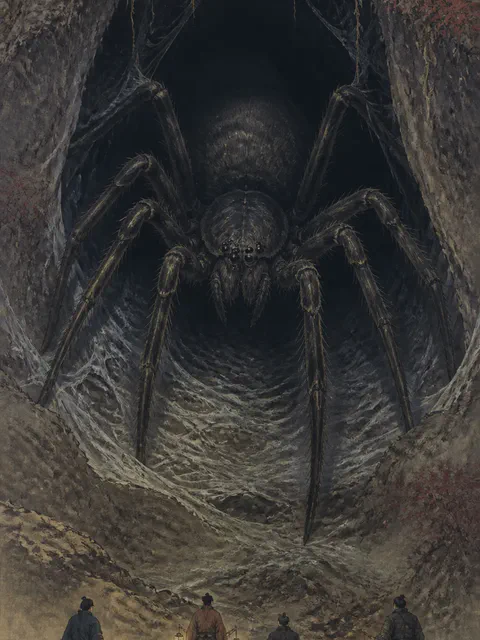
Tsuchigumo

土蜘蛛(つちぐも)

A monk appears at a sick warlord's bedside and throws spider silk at him. That is the tale. But the same word, centuries earlier, was what the court called people it wanted to treat as outsiders.

  • House · Mountain
  • Harmful

Danger 4/5 Editorial rating Danger rating 4 out of 5. This is an editorial rating, not a folklore measurement.

  • undated Kyoto (Yorimitsu's residence) Legend or tale

    Monk at the sickbed throws silk; the mound of the earth spider

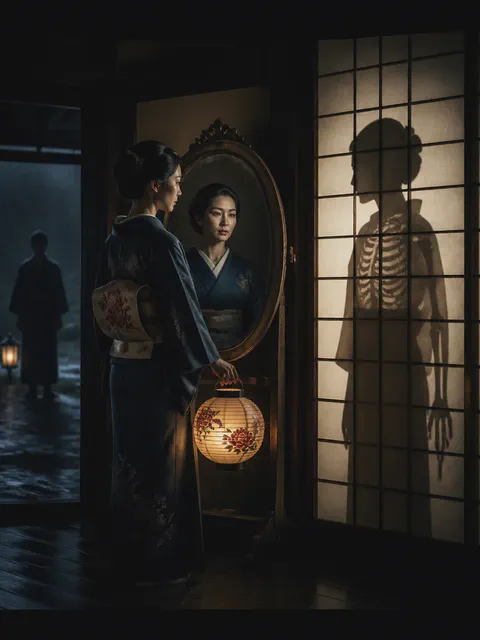
Hone-onna

骨女(ほねおんな)

Sekien drew Hone-onna in 1779 as an old skeleton carrying a peony lantern, and his caption names the 1666 tale behind it: a widower's night visitor whom only an outsider saw for what she was.

  • House · Street
  • Harmful

Danger 3/5 Editorial rating Danger rating 3 out of 5. This is an editorial rating, not a folklore measurement.

  • 1666 Kyoto (Otogi-bōko) Legend or tale

    Widower's night visitor seen as a skeleton by the neighbour

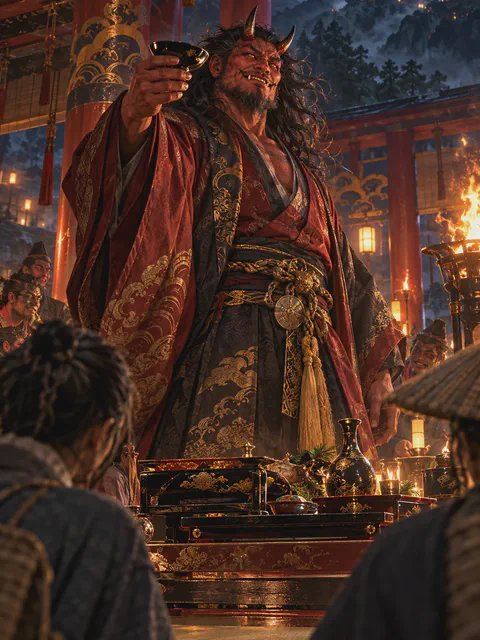
Shuten-dōji

酒呑童子(しゅてんどうじ)

The tale of Shuten-dōji appeared in the fourteenth century: an oni lord on Mt. Ōe who carried off the daughters of the capital, and the warriors who got in disguised as monks and defeated him with sake.

  • Mountain
  • Harmful

Danger 5/5 Editorial rating Danger rating 5 out of 5. This is an editorial rating, not a folklore measurement.

  • undated Mt. Ōe Legend or tale

    Oni king's fortress in the Ōeyama tradition

Tamamo-no-Mae

玉藻前(たまものまえ)

In the fifteenth-century tale, Tamamo-no-Mae is the most learned woman at the court of Retired Emperor Toba. He falls ill, divination names her as the cause, and she flees to Nasu as a fox. The killing stone came later.

  • Other · Field
  • Harmful

Danger 4/5 Editorial rating Danger rating 4 out of 5. This is an editorial rating, not a folklore measurement.

  • 1470 Kyoto (Toba's court) Legend or tale

    The most learned lady at the retired emperor's court

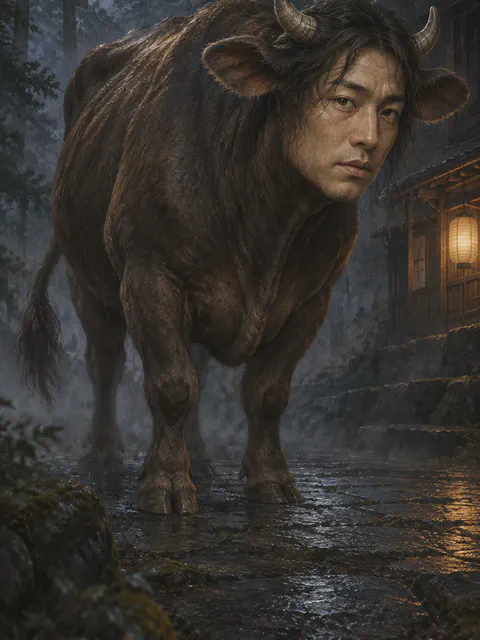
Kudan

件(くだん)

An 1836 broadsheet from Tango described a kudan — a cow's body with a human face — and promised that any house that put up its picture would prosper. Other kudan of the same century foretold disaster instead.

  • Mountain · Field
  • Helpful

Danger 1/5 Editorial rating Danger rating 1 out of 5. This is an editorial rating, not a folklore measurement.

  • 1836 Mt. Kurahashi, Yosa District (Tango) Print or picture

    Broadsheet: a kudan whose picture brings prosperity and harvest

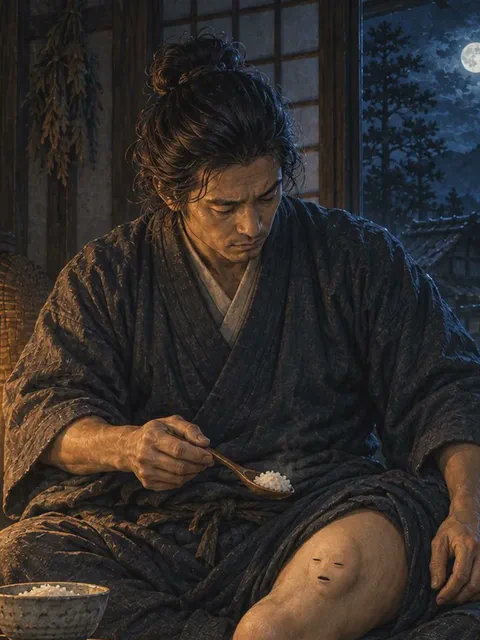
Jinmensō

人面瘡(じんめんそう)

A face-shaped sore on a farmer's left thigh that eats rice and rice cakes, told at Ogura in Yamashiro in a collection of 1666 and before that in Tang China, and cured by the one medicine it refuses.

  • House · Other
  • Harmful

Danger 3/5 Editorial rating Danger rating 3 out of 5. This is an editorial rating, not a folklore measurement.

  • 1666 Ogura, Uji (Yamashiro) Legend or tale

    A farmer's left thigh grows a face with eyes and a mouth that eats rice and rice cakes
Records Library: Kyoto

Places to visit in Kyoto

  • Seimei Shrine and Ichijō Modoribashi 晴明神社・一条戻橋 Shrine or temple Kyoto (Kamigyō), Kyoto — The shrine on the site of the court diviner's house and, a hundred metres south, the bridge where a warrior cut off an oni's arm.
  • Nue Pond and Nue Daimyōjin 鵺池・鵺大明神 Site Kyoto (Kamigyō), Kyoto — A small stone-edged pond in a city park north-west of Nijō Castle, where the arrow that killed the nue was said to have been washed.
  • Kurama-dera 鞍馬寺 Shrine or temple Kyoto (Sakyō), Kyoto — The mountain temple north of Kyoto where the king of the tengu taught a boy to fight, reached past a giant tengu head at the station.
  • Japan Oni Exchange Museum 日本の鬼の交流博物館 Museum Fukuchiyama (Ōe), Kyoto — A museum of oni at the foot of Mount Ōe, where the oni king's fortress stood in the tale, with a roof tile five metres high outside.
  • Kubizuka Daimyōjin 首塚大明神 Shrine or temple Kyoto (Nishikyō, Oinosaka pass), Kyoto — A small shrine on the old road at the pass west of Kyoto, where the oni king's head was buried because it could not be carried into the capital.
  • Onitake Inari Shrine on Mount Ōe 鬼嶽稲荷神社 Shrine or temple Fukuchiyama (Ōe), Kyoto — A lone shrine at the eighth station of the oni's mountain, where the trail to Shuten-dōji's summit begins and the valley below fills with cloud at dawn.
  • Ichijō Yōkai Street and Daishōgun Hachi Shrine 一条妖怪ストリート(大将軍商店街)と大将軍八神社 Street Kyoto (Kamigyō), Kyoto — Four hundred metres of shops on the road the night parade once took, with yokai figures at their doors and the shrine of the direction god at the west end.

Places to Visit