Records in Iwate

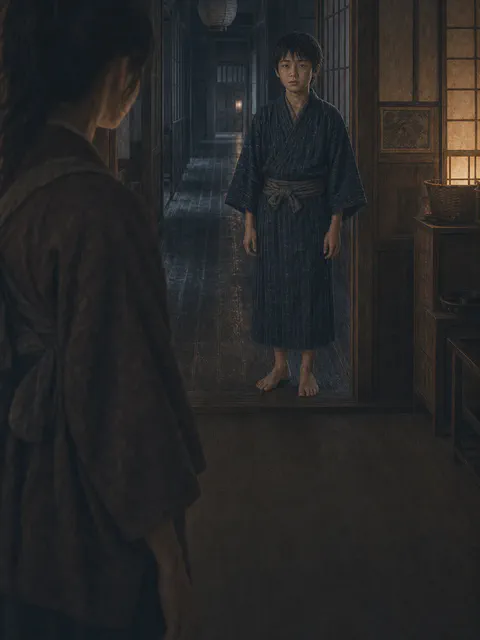
Zashiki-warashi

座敷童子(ざしきわらし)

In Tōno Monogatari, an unfamiliar child crosses the corridor of an old house — and the family that shelters the spirit is said to prosper.

  • House
  • Helpful

Danger 1/5 Editorial rating Danger rating 1 out of 5. This is an editorial rating, not a folklore measurement.

  • 1910 Tōno Folklore record

    Child spirit of old houses in Tōno Monogatari

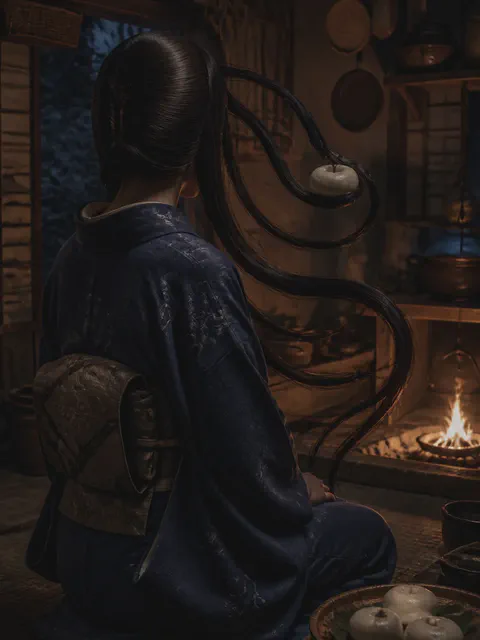
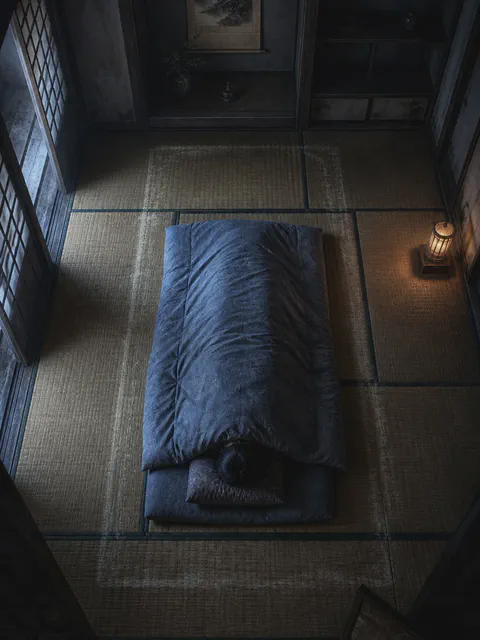
Makura-gaeshi

枕返し(まくらがえし)

From Niigata in 1935 to Ibaraki in 1998, people recorded going to sleep facing one way and waking facing the other. The culprit changes from house to house; the reversal never does.

  • House
  • Neutral

Danger 1/5 Editorial rating Danger rating 1 out of 5. This is an editorial rating, not a folklore measurement.

  • 1956 Iwate Folklore record

    Zashiki-warashi turns the pillow but harms no one

Futakuchi-onna

二口女(ふたくちおんな)

The 1841 Ehon Hyaku Monogatari made Futakuchi-onna a stepmother punished with a mouth at the back of her head. Folktales of the wife who eats nothing, recorded in the twentieth century, give the same hidden mouth to brides who turn out to be snakes, spiders, and oni.

  • House
  • Harmful

Danger 2/5 Editorial rating Danger rating 2 out of 5. This is an editorial rating, not a folklore measurement.

  • 1939 Nishiiwai District Folklore record

    Bride with a mouth on her crown who became an oni

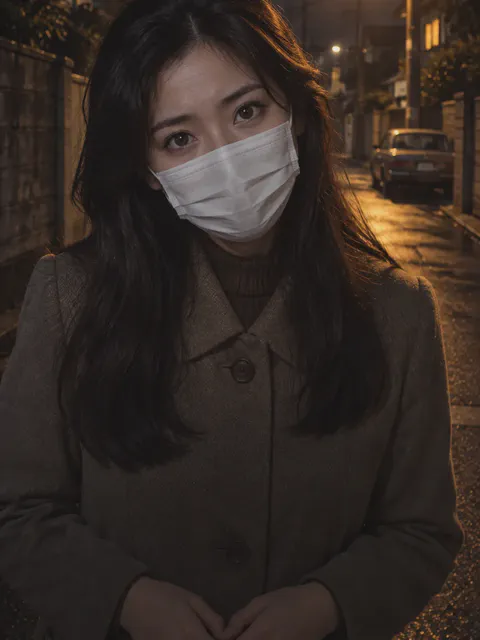
Kuchisake-onna

口裂け女(くちさけおんな)

Kuchisake-onna is not an old yokai. She is a rumour that swept through Japanese schoolchildren in 1978–79: a masked woman asking 'Am I pretty?' Almost every other detail changed from school to school.

  • Street · Road
  • Harmful

Danger 3/5 Editorial rating Danger rating 3 out of 5. This is an editorial rating, not a folklore measurement.

  • 1979 Iwate Modern rumour

    Carries a sickle; too fast to outrun

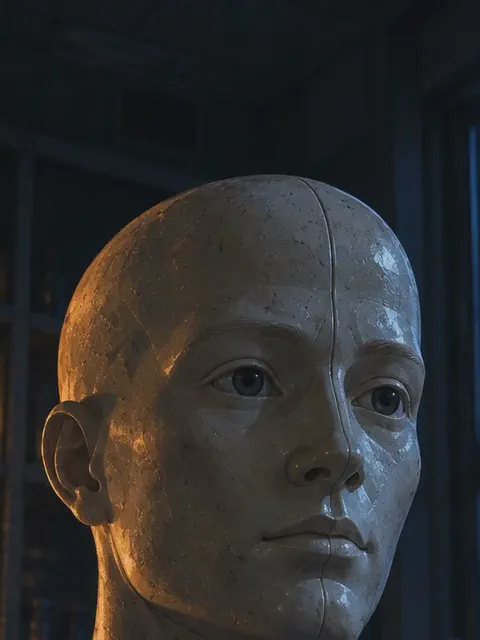
Ugoku Jintai Mokei

動く人体模型(うごくじんたいもけい)

The school science-room anatomy model that moves at night, a Japanese school ghost story recorded from pupils since the 1980s and told again by first-graders in a 2024 Fukui school report.

  • Other
  • Unknown

Danger 1/5 Editorial rating Danger rating 1 out of 5. This is an editorial rating, not a folklore measurement.

  • 1948 Kurosawajiri, Kitakami Modern rumour

    When the music-room piano played, the skeleton in the science room below it danced
Records Library: Iwate

Places to visit in Iwate

  • Kappa-buchi and Jōkenji カッパ淵と常堅寺 Site Tōno, Iwate — A quiet pool on a stream behind a temple in Tōno, the place the town points to when it tells its kappa tales.
  • Denshōen 伝承園 Museum Tōno, Iwate — A folk park built around an old L-shaped farmhouse, with a hall of a thousand silkworm deities and a room for the storyteller whose tales became Tōno Monogatari.
  • Tōno Municipal Museum 遠野市立博物館 Museum Tōno, Iwate — The town museum of the valley whose tales were written down in 1910, with the oshira-sama, the kappa and the storytellers of Tōno Monogatari.
  • Mitsuishi Shrine and the Oni's Handprints 三ツ石神社(鬼の手形) Shrine or temple Morioka, Iwate — Three granite boulders in a city grove where an oni pressed its hands into the rock as an oath, and gave the prefecture its name.
  • Tōno Folktale Museum とおの物語の館 Museum Tōno, Iwate — A sake storehouse turned into a hall of tales, with the inn where the folklorist stayed and a stage where storytellers tell the tales in the dialect they were told in.
  • Ryokufusō, the Inn of the Zashiki-warashi 緑風荘(座敷わらしの宿) Site Ninohe (Kindaichi Onsen), Iwate — A hot-spring inn at the far end of a small spa village, where a house spirit called Kamemaro is said to have lived in the inner room for six hundred years.

Places to Visit