
民俗学(みんぞくがく)
Minzokugaku
Folklore studies: the journals, dictionaries and prefectural histories where the records were printed.
From the 1910s a growing number of teachers, priests, doctors and local historians wrote down what was told in their districts and sent it to journals in Tokyo: Kyōdo Kenkyū from 1913, Tabi to Densetsu from 1928, Minkan Denshō from 1935, and dozens of regional bulletins after the war. Prefectural and municipal histories added chapters of folklore. The Sōgō Nihon Minzoku Goi, a dictionary of folk vocabulary completed in 1956, gathered thousands of local words, among them the names of yokai heard nowhere else.
A record in these sources is one telling from one place in one year, usually a few lines. The betobeto-san that follows you on a night road, the makura-gaeshi that turns your pillow, the azuki-arai washing beans by the stream: this is where they are, and the records library quotes them one at a time.
Related yokai
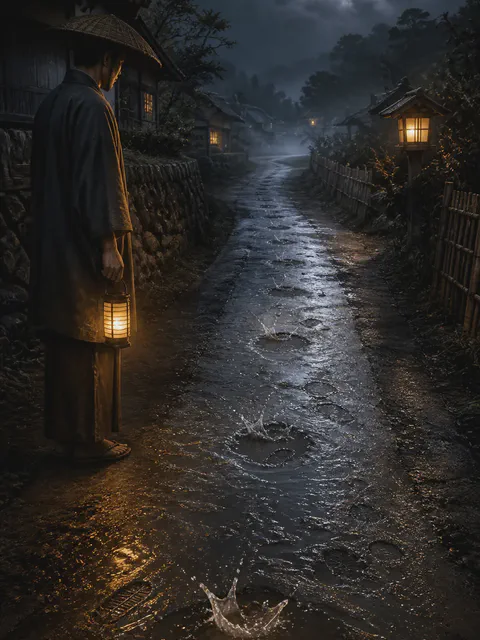
Betobeto-san
べとべとさん(べとべとさん)
On a night road in Uda you hear a bita-bita footfall coming along behind you. There is nobody there. Step aside, say the words, and it stops — which is the entire record.
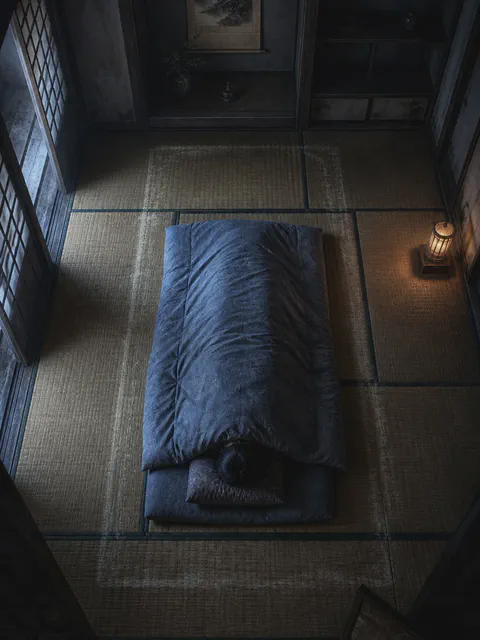
Makura-gaeshi
枕返し(まくらがえし)
From Niigata in 1935 to Ibaraki in 1998, people recorded going to sleep facing one way and waking facing the other. The culprit changes from house to house; the reversal never does.
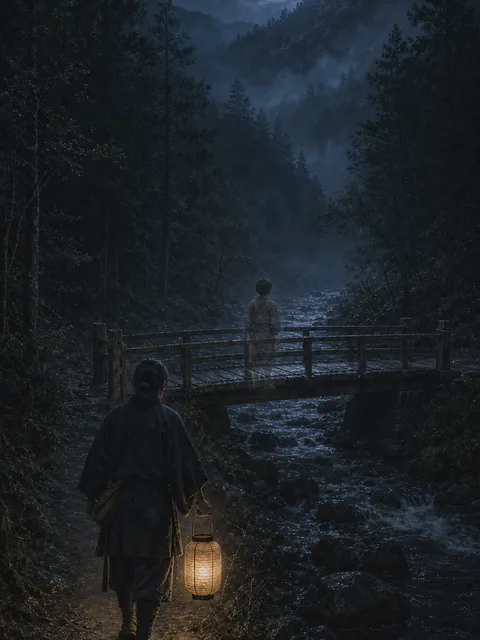
Azuki-arai
小豆洗い(あずきあらい)
A bean-washing sound repeats beside a dark stream, but the person making it cannot be found.
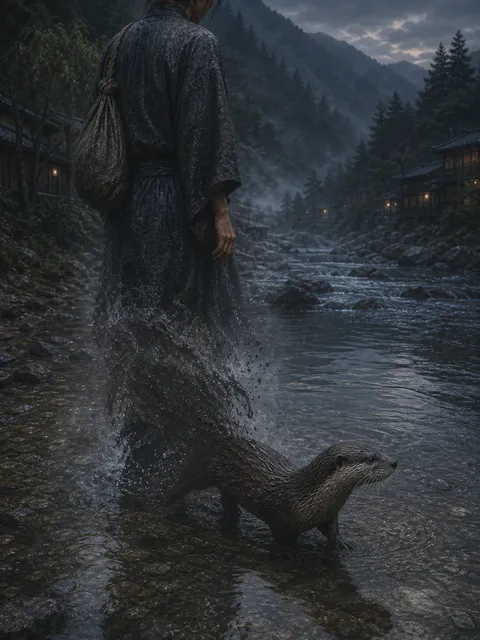
Kawauso
川獺(かわうそ)
In Gunma in 1956 the kawauso was a figure on a riverside road at dusk who glances back and beckons — not a traveler, but an otter in human form.
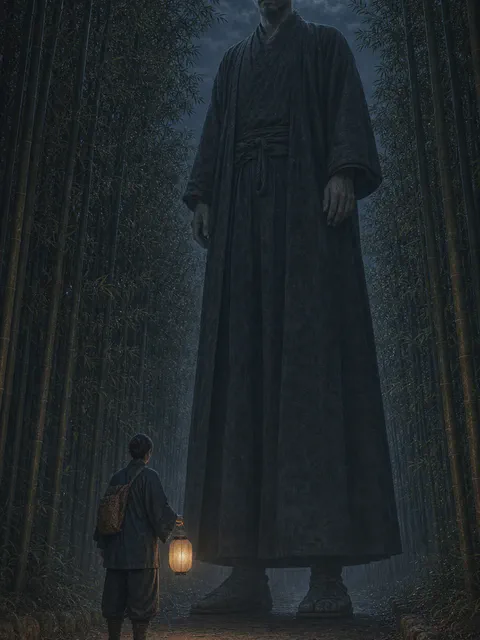
Mikoshi-nyūdō
見越入道(みこしにゅうどう)
A 1938 Nagasaki record warns of bamboo rustling over a night road and a looming figure that must be recognized aloud.