Zashiki-warashi
座敷童子(ざしきわらし)
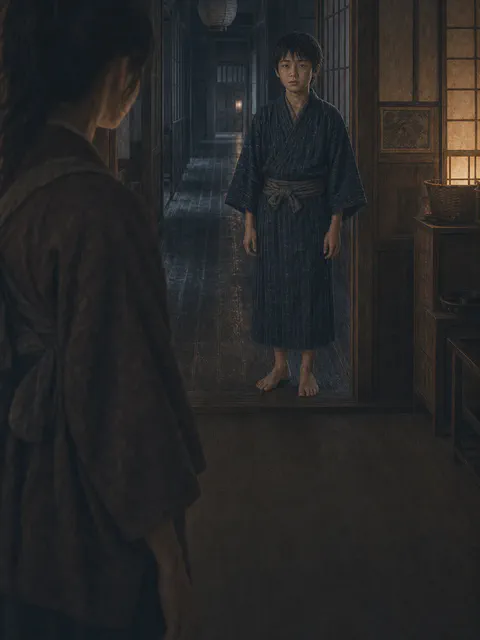
In Tōno Monogatari, an unfamiliar child crosses the corridor of an old house — and the family that shelters the spirit is said to prosper.
The ones that bring luck, leave you alone, or only want to pass
A good part of Japanese folklore is about things that do nothing to you. Some bring luck, some only pass by, some are frightened of people. Here are the yokai you would survive meeting.
18 yokai
座敷童子(ざしきわらし)
In Tōno Monogatari, an unfamiliar child crosses the corridor of an old house — and the family that shelters the spirit is said to prosper.
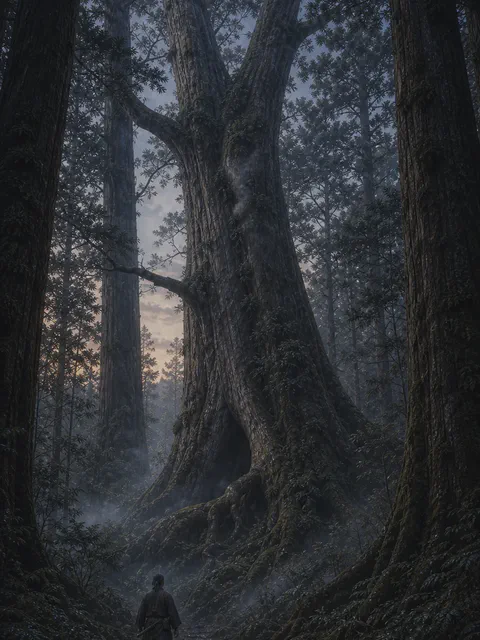
木霊(こだま)
Kodama can mean both a presence within an old tree and the echo that returns from a mountain — but Japanese tradition gives it no single fixed body.
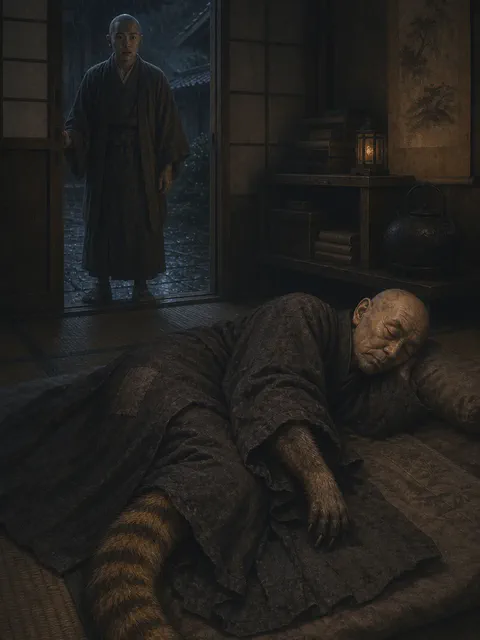
化け狸(ばけだぬき)
Morinji tradition tells of the monk Shukaku, an inexhaustible iron kettle, and the mujina or tanuki form revealed while he slept.
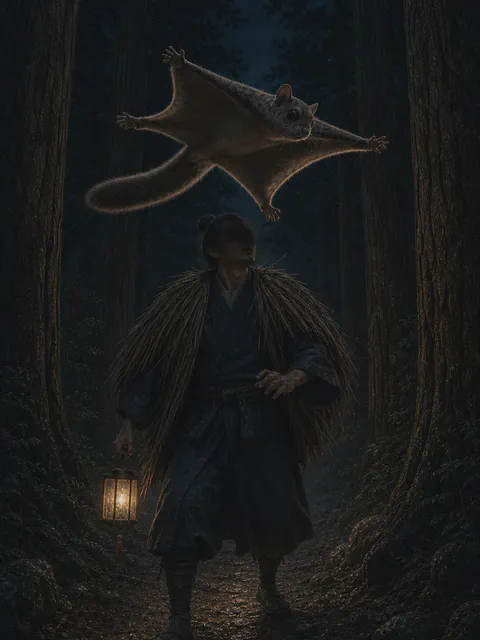
野衾(のぶすま)
A 1938 Tokyo record describes something like a flying squirrel that drifts down onto a traveler and covers the eyes and mouth — and stops there.
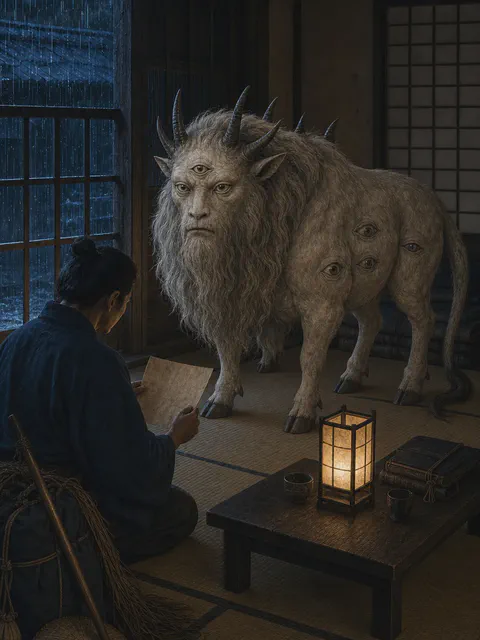
白澤(はくたく)
A beast from Chinese legend that named every harmful thing in the world for the Yellow Emperor, and whose image — nine eyes, six horns, a human face — was carried by Edo travelers and set beside pillows during the cholera epidemic of 1858.
鮫人(さめびと)
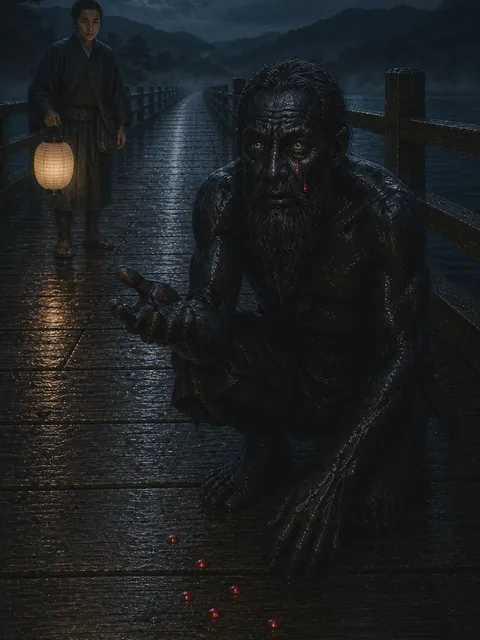
In a story Lafcadio Hearn published in English in 1900, a man on the Long Bridge of Seta shelters a creature banished from the Dragon Palace — and is repaid in tears that harden into jewels, which only come when the grief behind them is real.
蜃(しん)
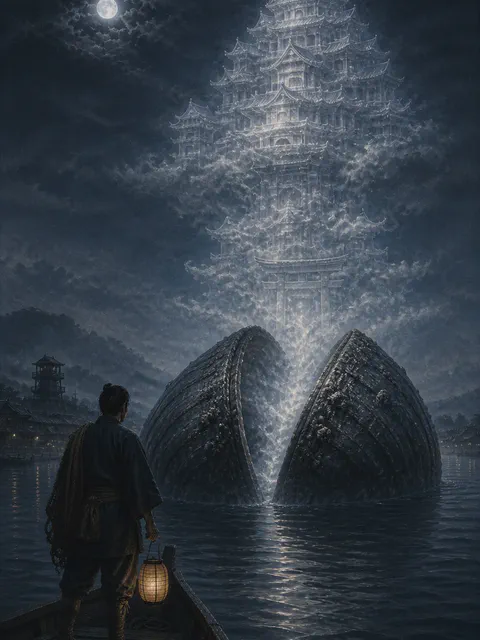
Old records describe a creature at the coast whose breath rises over the water and takes the shape of towers. The sources never agreed on what it was — and the Japanese word for a mirage is still its name.
山彦(やまびこ)
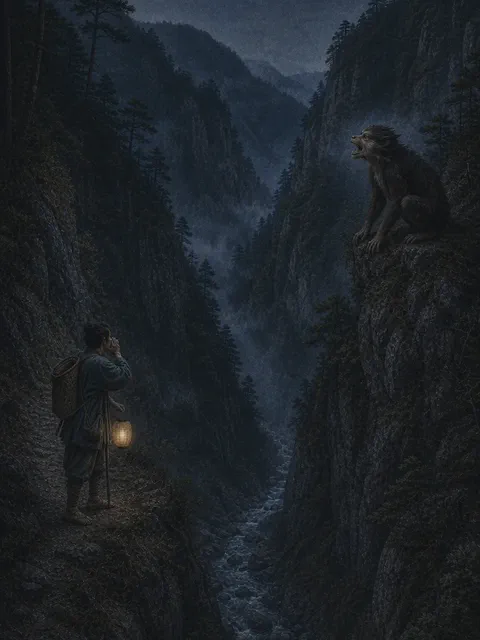
The echo in a Japanese valley was heard as an answer before anyone drew the thing answering — and when painters finally gave it a body, they produced a small animal that is neither quite a dog nor quite a monkey.
覚(さとり)
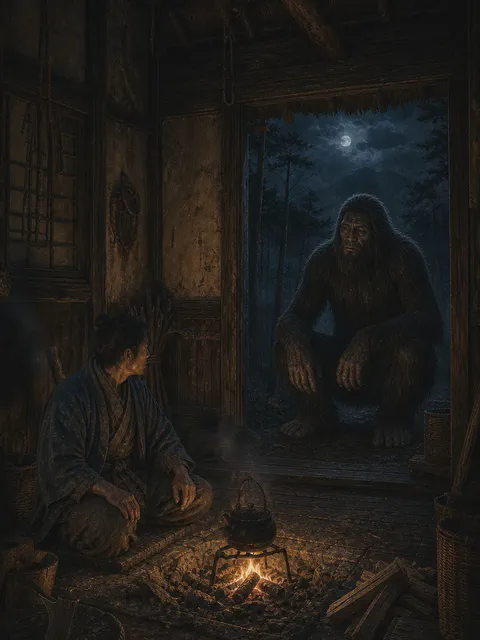
Sekien's 1779 entry describes a black, long-haired creature of the deep mountains that understands speech, reads what you are thinking, and leaves the moment you decide to kill it — and a later tale defeats it with something nobody thought at all.
べとべとさん(べとべとさん)
On a night road in Uda you hear a bita-bita footfall coming along behind you. There is nobody there. Step aside, say the words, and it stops — which is the entire record.
脛擦り(すねこすり)
A naturalist writing a national dictionary of yokai in 1935 gave the Sunekosuri of Oda district about one line: dog shaped, on rainy nights, brushing between a traveller's legs as it passes. Everything else you have read about it came later.
枕返し(まくらがえし)
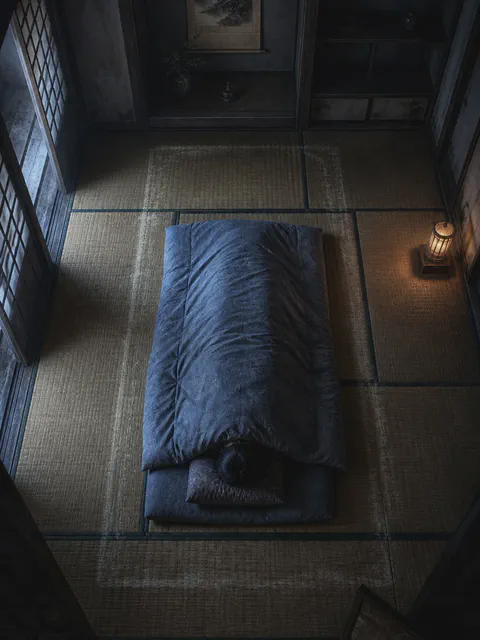
From Niigata in 1935 to Ibaraki in 1998, people recorded going to sleep facing one way and waking facing the other. The culprit changes from house to house; the reversal never does.
なまはげ
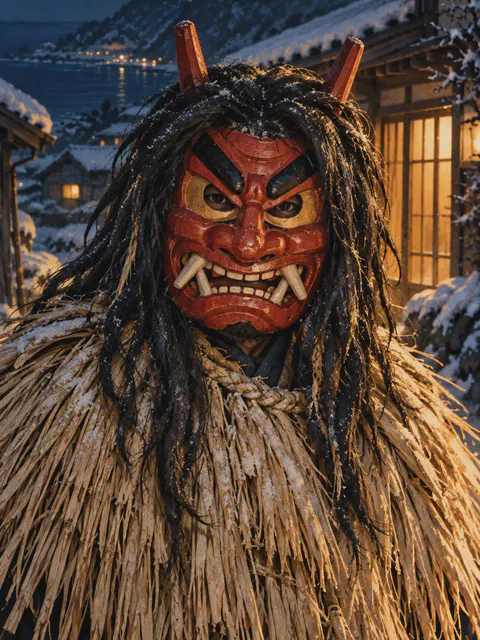
On New Year's Eve in Oga, Akita, young men in fierce masks and straw capes go from house to house as Namahage — visiting deities who rebuke idleness and bring blessings for the year. Each household receives them with food and sake.
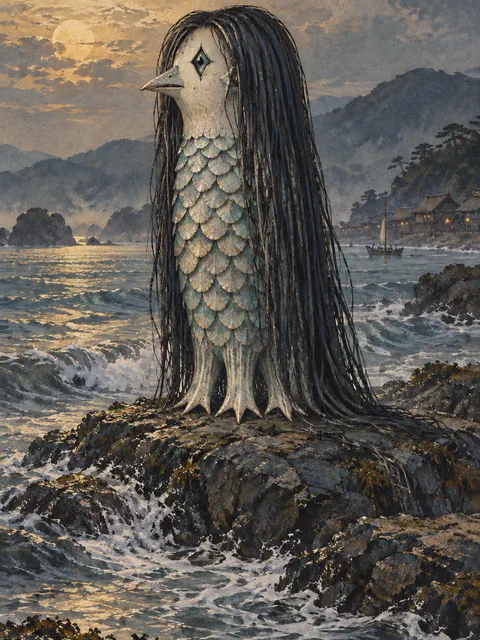
アマビエ
A printed sheet dated 1846 tells of a creature with long hair and a beak that rose from the sea off Higo, foretold six years of good harvests and an epidemic, and asked people to copy its picture and show it around.
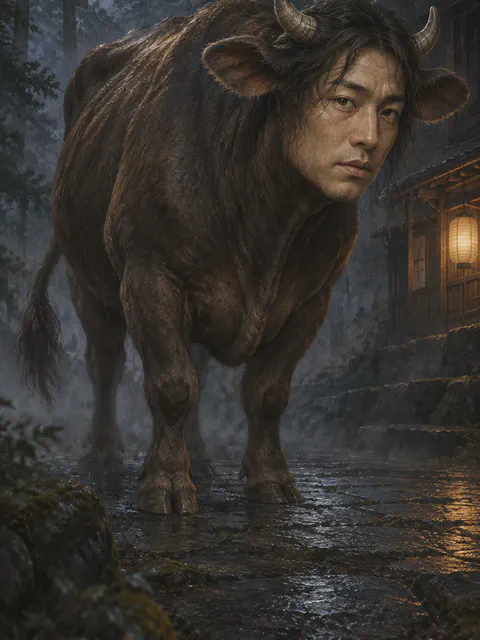
件(くだん)
An 1836 broadsheet from Tango described a kudan — a cow's body with a human face — and promised that any house that put up its picture would prosper. Other kudan of the same century foretold disaster instead.
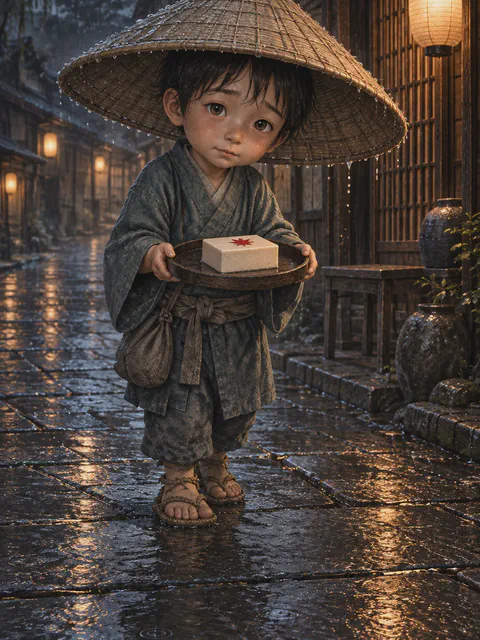
豆腐小僧(とうふこぞう)
Tofu-kozō, a big-headed child under a large hat carrying a tray of tofu, appears in Edo comic picture books from 1779. He follows people and does no harm, and in one story he drops his tofu running away from a human.
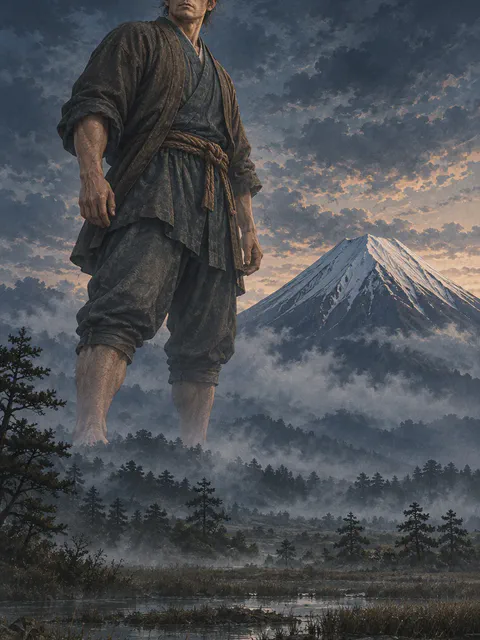
だいだらぼっち
In Sagamihara, a giant called Deirabotchi carried Mt. Fuji on his back, sat down to rest, and found the mountain had taken root. He stamped in frustration, and his footprint became a pond.
麒麟(きりん)
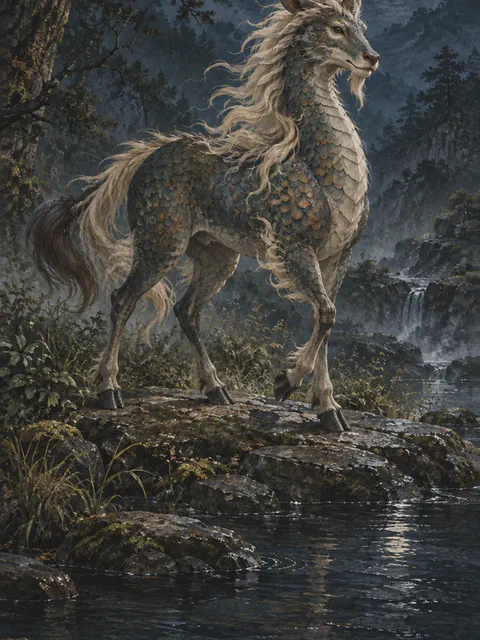
The kirin is an auspicious beast of Chinese origin, shown in Japanese art from the eighth century: deer-bodied, one-horned, and said to appear only when the world is well governed. It harms no living thing — not even the grass.